
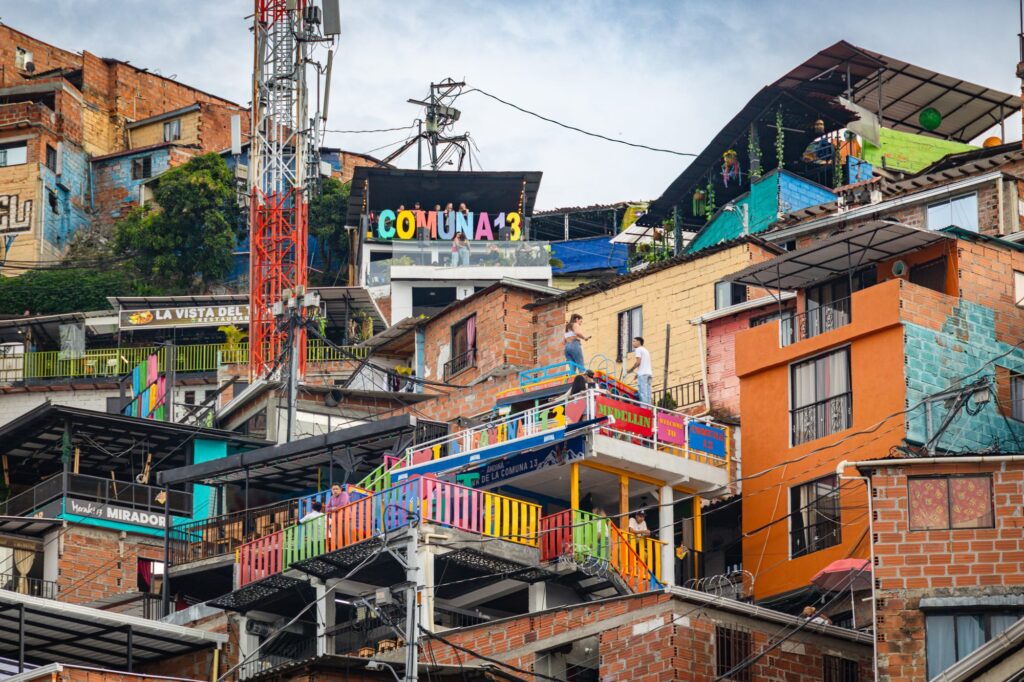
I’ve lived in Medellín my whole life. Not in a gated compound removed from the city — in a regular neighborhood, like most paisas. So when people ask if this city is safe, I’m not answering from a brochure. I’m answering from having watched this place change, block by block, over decades.
The City I Grew Up In vs. The City It Became
In the 1990s, violence here was simply part of daily life — something an entire generation grew up around. That’s the Medellín that shaped this city’s global reputation, and it’s not fair to pretend that history didn’t happen. But it’s also not the city that exists today.
The clearest proof isn’t a marketing claim — it’s recognition from outside sources with no reason to flatter us. In 2024, Laureles was named the coolest neighborhood in the world by TimeOut — the same Laureles where families have lived for generations, now sitting alongside travelers discovering it for the first time. That’s not a fluke. It’s the result of decades of investment in public space, transit, and community life that most visitors never hear about because it doesn’t fit the old narrative.
Why Tourism Here Actually Works
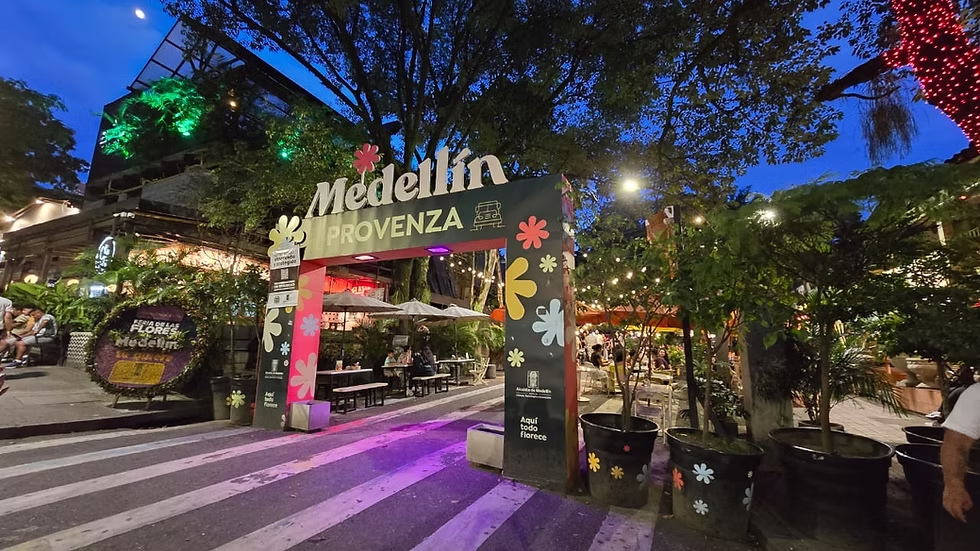
Something else that doesn’t always come through in guidebooks: Medellín has had to adapt fast to the sheer number of visitors arriving every year, and honestly, the city has done it well. Both local authorities and the community itself have adjusted — there’s a genuine collective instinct here to look out for the people visiting us. Paisa culture is built around warmth and hospitality; we want people to feel good here, and that shows up in small, everyday ways once you notice it.
Public security is part of that adjustment too. During high-occupancy periods — festival season, holidays, big events — local authorities increase visibility and patrols in the areas where visitors concentrate. It’s not something you’ll see advertised, but it’s part of how the city has learned to handle its own popularity.
What’s Actually Worth Knowing
Here’s the honest, non-alarmist version: in general, there’s no reason to feel unsafe visiting Medellín. That said, some non-touristic neighborhoods can genuinely be risky for a foreigner who wanders in without knowing the area — not because the city is dangerous, but because every large city has zones that aren’t built for visitors, and Medellín is no exception.
The simplest rule that actually works: before you go somewhere unfamiliar, ask a local guide or your travel concierge first. It takes thirty seconds and it’s the single best filter for separating “this is fine” from “let’s find you something better instead.”
The Everyday Precautions Worth Taking
Beyond knowing which areas to check on first, the same common-sense habits that keep you safe in any major city apply here:
- Use Uber, inDrive, or Cabify rather than hailing taxis off the street, especially at night.
- Never leave a drink unattended in bars or clubs.
- Keep valuables minimal and out of sight in public.
- If you’re meeting someone from a dating app, meet in a public, busy place first.
- Enroll in your country’s travel registration program before flying (STEP for U.S. citizens, or the equivalent through your embassy).
For Full Transparency
It’s also worth knowing, if you haven’t already looked this up: the U.S. State Department currently rates all of Colombia at Level 3, “Reconsider Travel,” as of its most recent March 2026 update. What’s easy to miss in that headline is that the advisory’s actual “Do Not Travel” zones are specific departments far from here — Arauca, Cauca, Valle del Cauca, Norte de Santander, and the Venezuela border region. Medellín and Antioquia fall under the same general baseline that covers most of the country, including places most travelers never think twice about.
The Bottom Line
Medellín in 2026 is a city that has earned its transformation, told to you by someone who watched it happen from inside a real neighborhood, not a press release. It’s also a city where a little local knowledge goes a long way — which is exactly why we build that judgment into every trip we plan, so you’re never guessing which street corner is fine and which one you should skip.
Want someone who actually knows this city looking out for your trip?
Reach out and let’s plan it together. Schedule a planning call →