
Let’s be honest about how a lot of people first hear about Medellín: a Netflix series, a true-crime documentary, a search for “Pablo Escobar tour.” That curiosity is understandable — it’s a genuinely dramatic chapter of recent history. But if that’s where your research stops, you’re about to miss almost everything that actually makes this city worth visiting today.
What’s Actually Happening Right Now
Here’s something worth knowing before you book anything: Medellín’s own mayor has been actively campaigning against the commercialization of Pablo Escobar’s image — pushing to ban Escobar-themed merchandise and so-called “narco-tours,” alongside a national bill that would prohibit selling items that glorify convicted traffickers. This isn’t a fringe opinion. It’s the city’s own current civic position, playing out in 2026.
The reason matters more than the policy itself. In neighborhoods like Comuna 13, community groups have pushed back specifically because people who actually lived through that violence — and lost family members to it — find it painful to watch their trauma turned into a costume photo-op or a souvenir keychain.
The History, Honestly
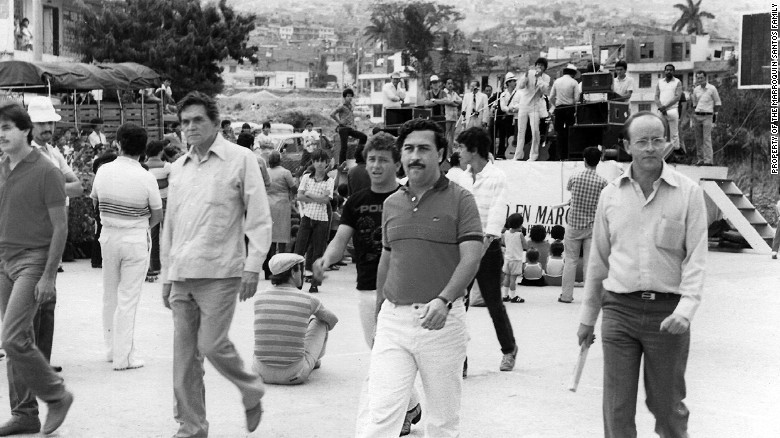
Colombia doesn’t need this softened. In the 1980s and early ’90s, the Medellín cartel, led by Escobar, controlled a huge share of the cocaine trade moving into the U.S., and the violence that came with that dominance was extreme — car bombings, assassinations, and a homicide rate that peaked at roughly 381 per 100,000 residents in 1991, among the highest ever recorded for a city its size anywhere in the world. That happened. It shaped a generation, and it’s the reason the word “Medellín” still triggers a specific image in a lot of people’s minds internationally.
But treating that one chapter as the whole story does a disservice to everyone who actually lived through it and built something different afterward.
Comuna 13: The Same Neighborhood, Two Very Different Experiences
If you want to understand this tension in one place, Comuna 13 is it — because it’s genuinely two different tourism experiences happening in the same few blocks.
One version: imported narco-kitsch. Escobar lookalikes posing for photos, souvenir stands selling his image, a sanitized “danger tourism” experience built for shock value rather than substance.
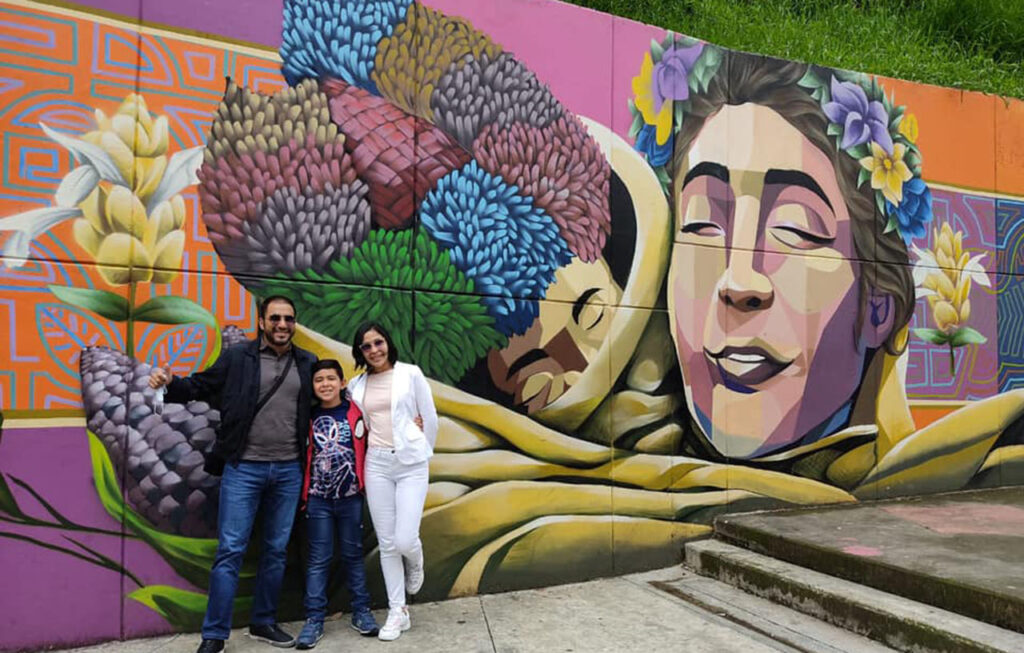
The other version: a walking tour literally created by local hip-hop artists from the neighborhood itself, built around the outdoor escalators the city installed to connect residents to the rest of Medellín, guided tours of the murals (each one telling a specific piece of the community’s story), and live rap or dance performances from the same young people who grew up there. This is now one of the most visited spots in the city — reportedly drawing around 2,000 visitors a day — and it’s community-led, not cartel-themed.
We build our itineraries around the second version. Not because the first doesn’t exist — it clearly does — but because it isn’t the story this city, or the people who actually live here, want told on their behalf.
What Actually Defines Medellín Today
Strip away the outdated stereotype, and here’s what you’re left with: a city recognized internationally for urban innovation, home to Feria de las Flores and a genuine, decades-old silletero tradition, a growing culinary scene, easy access to the Antioquian coffee region and the mountain town of Santa Elena, and a level of paisa hospitality that consistently surprises first-time visitors.
None of that requires ignoring the past. It just means the past isn’t the point of the trip.
Traveling Here Respectfully
If you do end up in Comuna 13 or anywhere else with this history attached, a couple of small things go a long way: skip the Escobar-themed merchandise, and don’t give money to children asking for it in tourist areas — it’s a well-meaning impulse that inadvertently encourages a cycle guides and locals are actively trying to move away from. Follow your guide’s lead, especially when they’re from the community itself.
Want to experience the Medellín that’s actually here now? We design itineraries around the city’s living culture — not its darkest chapter. Schedule a planning call →