
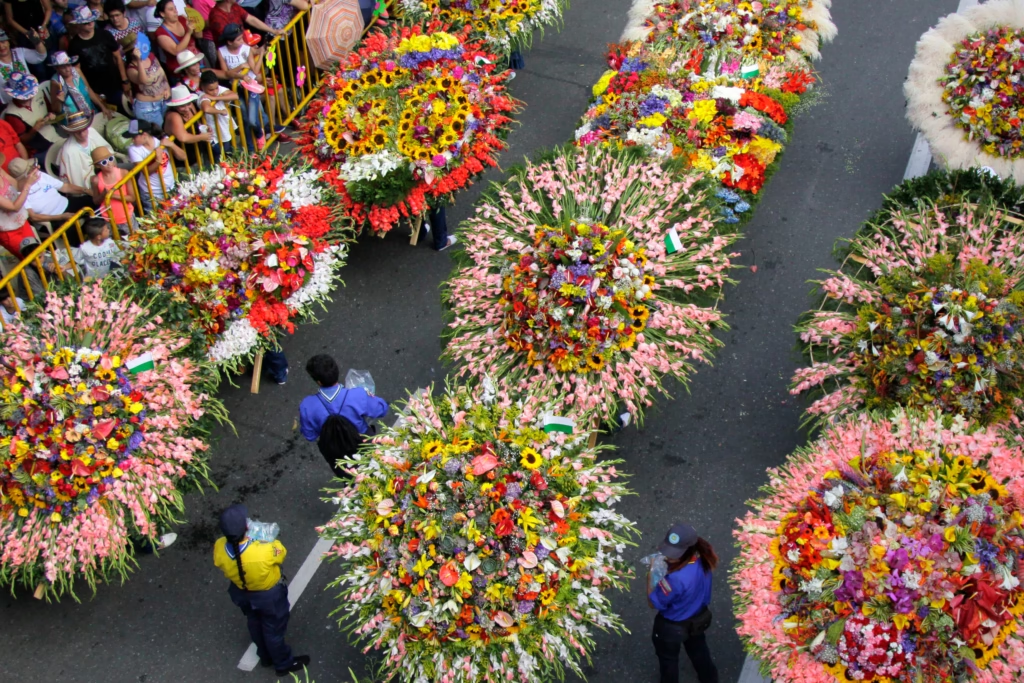
Once a year, Medellín stops being just a city and becomes a living garden. For ten days, the streets fill with color, music, and a tradition that has nothing to do with the stereotypes many international visitors still associate with this country. This is Feria de las Flores — and if your trip happens to land during it, you’re in for something most tourists never get to see done right.
Here’s everything you need to know before you go.
What Is Feria de las Flores, Exactly?
Feria de las Flores (“Festival of the Flowers”) is Medellín’s most important cultural celebration, running every year since 1957. At its heart is a tribute to the silleteros — generations of flower farmers from Santa Elena, a mountain community above the city, who once carried their harvest down to market strapped to wooden frames on their backs called silletas. What began as a practical way to transport flowers has become a proud, living tradition passed down through families for decades.
Today, the festival is far bigger than a single parade. It’s ten days of concerts, classic car parades, flower markets, folk music competitions, and neighborhood celebrations that touch nearly every corner of the city — not just the postcard version tourists usually see.
Feria de las Flores 2026: Key Dates
This year’s festival runs from Friday, July 31 to Sunday, August 9, 2026, with more than 100 public cultural activities across the city.
The headline events international visitors should know about:
| Date | Event |
|---|---|
| July 31 | Opening concert at El Obelisco |
| August 1 | Desfile de Chivas y Flores (traditional flower-decorated bus parade) |
| August 2 | Desfile Avenida Primavera (floats and comparsas) |
| August 6 | Festival Nacional de la Trova — final (Plaza Gardel) |
| August 7 | Desfile de Autos Clásicos y Antiguos (classic car parade) |
| August 9 | Desfile de Silleteros — the festival’s signature event |
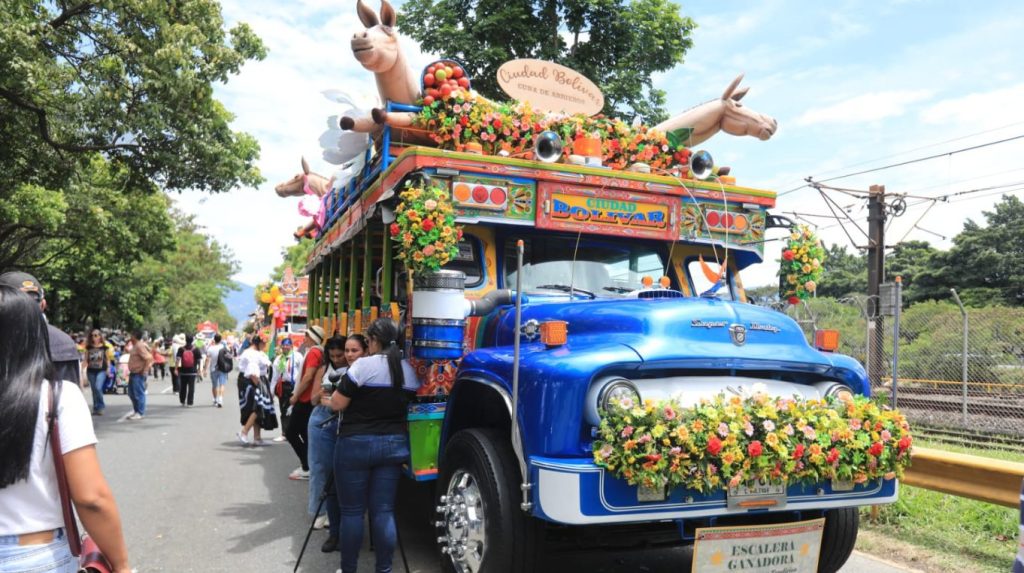
The Desfile de Silleteros: The Event Everything Builds Toward
If you only see one thing, make it this. On the closing Sunday, hundreds of silleteros walk through the city carrying enormous, intricately designed floral displays — some towering over the person carrying them — after a tradition that historically involved journeys of 70 to 80 kilometers on foot from the mountains of Santa Elena. It’s equal parts physical endurance, artistry, and family heritage, and it’s genuinely unlike anything else in Colombia.
For 2026, official figures suggest this will be one of the most attended editions yet, with the city projecting well over 328,000 visitors across the full ten days of the festival.
Beyond the Parades: What Else Is Happening
The festival isn’t just the big televised parades. A few things worth building into your itinerary:
- Plazas de Flores — flower markets set up at Parques del Río, Parque de los Deseos, and Placita de Flores MAMM, full of local artisans, food, and live music, running at different points throughout the ten days.
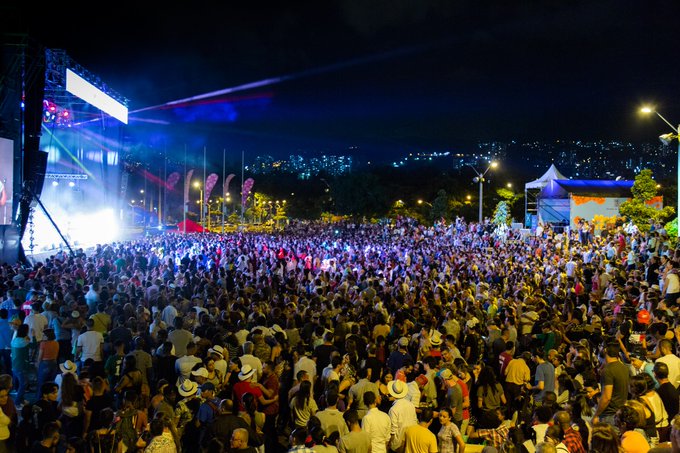
- Parque Cultural Nocturno at Plaza Gardel — themed evening shows (Afro night, Colombian night, tropical night) with genuinely high production value, and far less touristy than most nightlife listings you’ll find online.
- Festival Nacional de la Trova — a folk singing competition rooted deeply in Antioquian culture, if you want a slice of something locals actually care about rather than a show staged for visitors.
What This Means Practically, If You’re Coming From Abroad
A few numbers worth knowing before you book anything:
- Hotel occupancy is projected at around 75% citywide during the festival — and considerably higher in the neighborhoods visitors actually want to stay in.
- The city expects tens of thousands of international arrivals specifically for this window.
- Several parade routes mean temporary road closures in central areas — not something that shows up on a typical map app until you’re already stuck in it.
None of this is a reason to avoid visiting. It’s a reason to plan the logistics before you’re standing in the middle of them. Book accommodation early, expect some streets to be inaccessible by car on parade days, and build in buffer time between anything you want to do and any flight you need to catch.
Watching the Desfile de Silleteros Without the Crowd Stress
Here’s something most guides won’t tell you: locals can enter an official public lottery for grandstand seating along the parade route — but it’s run entirely in Spanish, through local phone lines, and isn’t really built for someone coordinating logistics from abroad.
This is exactly the kind of detail we handle for our clients directly — securing a comfortable, well-positioned viewing spot for the Desfile de Silleteros without you needing to navigate a Spanish-language lottery system from another country, or figure out which street corner actually has a clear view versus which one is a wall of shoulders.
A Different Side of Medellín
Feria de las Flores is also, quietly, one of the best arguments against the version of Medellín still stuck in people’s minds. This is a city celebrating farmers, flowers, and family tradition — not the narrative Hollywood exported decades ago. If your trip happens to land during these ten days, you’re seeing the city at its most genuinely itself.
Planning a trip to Medellín around Feria de las Flores? We design private, fully-coordinated itineraries for international visitors — from flower parade viewing to everything else worth doing in the city. Schedule a planning call →